Arts and Culture
Siracusa
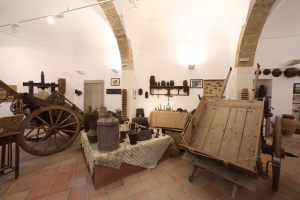

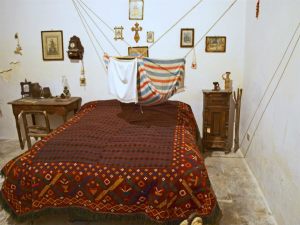
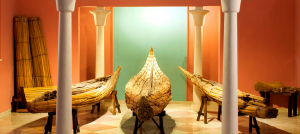
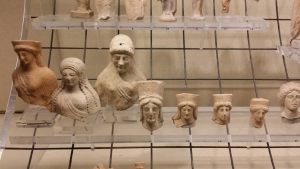
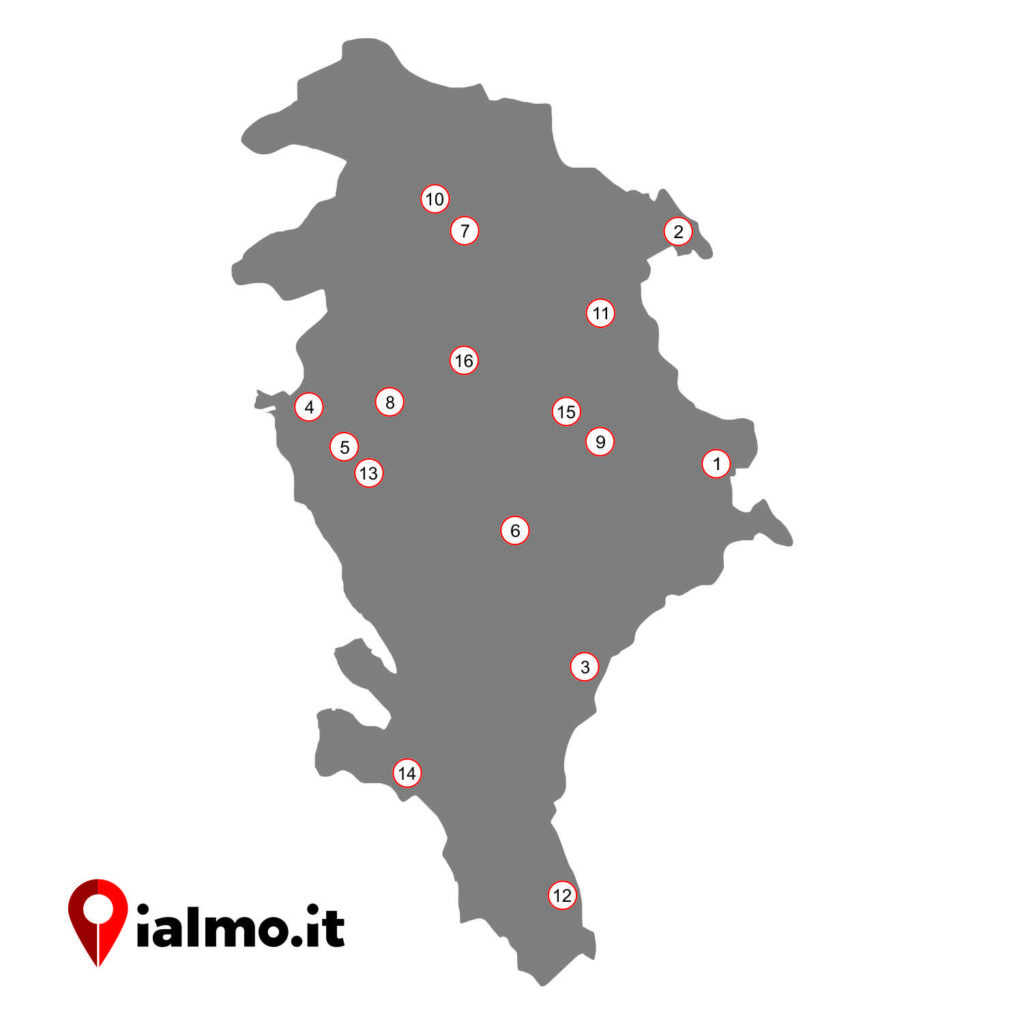
Paolo Orsi Regional Archaeological Museum, inaugurated in 1988 and destined to collect the immense patrimony of the city; Museum of the Sea; Bellomo Museum, of medieval and modern art; Papyrus Museum, established in 1989; Tecno Parco Archimede; Cinema’s Museum; Numismatic collection; Aquarium; Museum of Sicilian puppets; Jewish Bath; Leonardo da Vinci Museum; Museum of the INDA (National Institute of Ancient Drama).
Museo della Piazzaforte, permanent exhibition of war relics. It is located in Piazza Duomo.
The Museum of Palmento and Oil Mill of Midolo. Open to the public only on request, it is dedicated to the history of oil production, to the rediscovery of ancient techniques and traditional tools. The Garibaldi Theater is a splendid neo-Renaissance opera created in 1876, dedicated to the hero of the two worlds. Closed in the 1940s, it was completely restored and reopened in 2011, still active today.
Casa Museo di Buccheri, a small exhibition center where themed exhibitions are organized. Palazzo Cosentino is used as an exhibition space and cultural shows, available to the community.
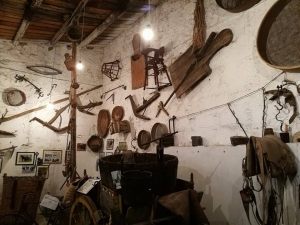
The Museum Places of Work Peasant, is a widespread museum, spread along an ethno-anthropological path within the historic center of the country. It consists of seven different rooms: a blacksmith’s shop, a shoemaker’s shop, a carpenter’s shop, an oil mill, a farmer’s house, a farmer’s house and a millstone for pressing grapes.
The Anthropological Museum of Textile, Emigrant and Popular Medicine is located in the historic center of Canicattini. It is one of the most important anthropological study centers and thematic exhibition linked to the life of the people of south-eastern Sicily. On display, clothing of the time, elements characterizing the lifestyle of farmers and natural remedies against illness and disease, the lifestyle of those who emigrated abroad. The House of the Emigrant houses the Textile Museum; on display are clothes and fabrics from the nineteenth and early twentieth century, a vast collection of shawls, blankets, frazzati tablecloths and curtains, but also looms and tools for embroidery and sewing, as well as sacred drapes used for popular religious festivals. In the museum space dedicated to folk medicine are exposed ancient medical instruments, medicines and unguents of craftsmanship, based on natural ingredients. The Museum also organizes themed exhibitions in relation to the holidays or seasons. The small but interesting Anthropological Museum Memories and Memories of the Canicattinesi is located in Via Regina Elena. It is a private collection that contains the history of the City from the period of the Unification of Italy to the early 1900s through the display of furniture, furnishings, photographs, records, silverware, paintings. Also present a library and a newspaper library; hosts conferences, exhibitions and events on local history.
The Casa Museo di Carlentini is an important museum space dedicated to marine fossils, located in a building in Piazza Felice Cavallotti.
Museo Casa della Memoria, is a permanent exhibition of sacred objects. It is located at the Palazzo Mirabella.
The Museum of Peasant Civilization, better known as Villa-Museo di Nunzio Bruno, collects and contextualizes, as in the tradition of the museum houses, rural life tools ranging from real work tools such as plow, millstone or press, to the saie, or an ancient system of canalization and irrigation; or even the old shovels, the carts used to transport things and people, the pottery and anything else that remains of a lost universe.
Civic Gallery of Contemporary Art, Piazza del Popolo, Palazzo Raeli, Francesco Lombardo Museum of Giuseppe, Via Francesco Crispi; Lucia Migliaccio Historical Park, Via Archimede.
Regional Archaeological Museum, exhibits the findings from the excavations of the ancient Greek colony of Leontinoi and other archaeological sites in the area. The seat of the museum dates back to the fifties when, as a consequence of the intensification of the archaeological excavations, the need was felt to find a suitable location for the numerous findings found. Since 2004, the museum has been rearranged and edited with new installations. The remains of the ancient Leontinoi, administratively divided between the towns of Lentini and Carlentini, include an impressive archaeological park that preserves traces of the prehistoric village of Metapiccola and ruins of the Calcidese and Greek-Syracusan age. The Hellenistic necropolis of the IV-III century are interesting. B.C. of which some sepulchers are visible, the wide latomie, the foundations of a Greek temple and the remains of rectangular huts of an indigenous village of the IX-VIII century. B.C. The studies carried out in the area by the archaeologists Dinu Adamesteanu, Salvatore Ciancio, Alfio Sgalambro and Giovanni Rizza were fundamental.
The Museum of Natural History located in Via Dante Alighieri, was born in 2001, you can appreciate inside, in addition to the archaeological finds of considerable interest recovered during excavation campaigns, also many naturalistic and ethnographic collections. The exhibition itinerary is divided into three sections: Archaeological, Ethno-anthropological and Naturalistic.
The Wine Museum, unique in the south-eastern Sicily, has been opened to make known the great winemaking tradition of the city. The museum is housed in an old production cellar. There are picturesque wooden carts, which were used to transport grapes and wine, underground cellars where it is still left to ferment the must. Other rooms, always underground, are used for aging bottled wines. It is possible to admire bottles of wine of immense historical value as they date back to the 1800s and the early 1900s. Municipal Art Gallery (Civic Museum): located inside a former oil mill, it hosts a permanent exhibition of pictorial works by Pakistani artists and neighboring countries. In this museum are also carried out activities and cultural reviews of various kinds.
Functional Computer Museum, located in via Carnevale, is dedicated to old but working computer equipment. On display personal computers, calculators, printers from the 60s to the present day. For lovers of the genre, it must be said that it is the only theme museum in Sicily.
Museum of Travelers of Sicily is edited by the cultural association “Centro Studi Jean Houlier”. The goal is to introduce Sicily, especially the areas of Syracuse and Ragusa, to tourists through manuscripts and paintings by Italian and foreign artists who have admired the Sicilian beauties over time. In the museum, located at the eighteenth-century Palazzo Vaccaro, are also preserved ancient maps and artistic portraits of the main monuments of the island.
Casa-Museo of Antonino Uccello, commissioned by the anthropologist of the same name, opened to the public in 1971; in 1983 the Museum was bought by the Sicilian Region. The need to save, through objects, the memory of the arts and popular traditions, was an almost daily concern for Uccello; then set up an exhibition of local peasant culture, recreating the socio-economic context of reference. The Museum is located in a wing of Palazzo Ferla; on the ground floor are the rooms dedicated to the farmer, owner of the property, responsible for all the activities related to them, on the first floor instead we find the rooms dedicated to the residence of the landowner.
G. Savarino Ethnographic Museum, located in via Aprile n ° 52. The museum is a place of culture and tourism promotion, inside you can see a typical Sicilian cart, original tools that tell the story of the origins of the village and the traditions related to the peasant culture, finally, a beautiful nineteenth-century frame to testify the widespread local tradition of weaving.
Hyblon Ecomuseum, via Padre Barbagallo n.1. Interesting museum housed within the structure of the Dominican cenacle: it guards the different mineralogical and naturalistic realities of the territory. It offers a rich collection of artefacts from the Anapo Valley and the Vendicari Nature Reserve.
Permanent Museum of Lace and Artistic Embroidery, via Macchiavelli n. 11. It represents one of the most important museums of textile and embroidery in Sicily. In Solarino, in fact, thanks to the Carmelite convent almost all the female population of marriageable age attended the embroidery courses held by nuns. Very beautiful collection of lace and lace from various parts of the island.
Casa del Novecento, via Vincenzo Bellini n. 43. Inside a house dating back to the First World War, the Museum houses a remarkable ethnographic material typical of the territory.
Civic Museum of the Opera dei Pupi in Piazza Adrice n. 1. Inside you can appreciate the puppets of the collection of Don Ignazio Puglisi. More than 30 puppets and the original Puglisi scene theater are kept in the museum.
House Museum of traditional beekeeping in Via Gioberti n. 5. Inside a real reconstruction of the beekeeper’s house, with the presence of the typical tools of the trade such as the hives (fasces), the jars and the press (consu). The practical demonstrations of honey processing are very interesting and it is possible to see them during the journey.